
Indirect Heating of Tanks

One of the most accurate and efficient methods of Tank Temperature Control is to circulate a fluid media through a heat transfer coil or jacket. A single fluid can be used to provide both heating and cooling as required to control the temperature of the tank contents. Depending on temperature range, these fluids can be water, glycol mixtures, or heat transfer oils. Circulating heat transfer systems can be equipped with independent heating and cooling capacity or they can be tied into existing plant central heating and cooling utilities. Tanks can be equipped with either internal or external coils in a variety of configurations and installation methods.
Industrial tanks are critical components in manufacturing and processing industries that need to store, mix, or process almost any amount of a substance, whether it’s a liquid, gas, or semi-solid. Industrial tanks are constructed using durable materials like stainless steel, carbon steel, or specialized alloys to withstand harsh conditions, including high pressure, extreme temperatures, and corrosive environments. Their designs vary based on the specific application, with features like insulation, agitators, and heating or cooling systems to meet diverse operational requirements.
Tanks are important in numerous processes, including:
- Storage: Safely holding raw materials, intermediate products, or finished goods, such as chemicals, fuels, or food products.
- Mixing: Integrating ingredients or blending substances with the help of internal mixers or agitators.
- Heating or Cooling: Regulating temperatures to support chemical reactions, fermentation, or material stabilization.
- Processing: Acting as reactors or vessels for processes such as polymerization, brewing, or pasteurization.
- Transport: Serving as mobile containers for transporting sensitive or hazardous materials.
With their versatility and durability, industrial tanks are essential for ensuring efficiency, safety, and reliability in a wide range of applications.
Industrial tanks come in many forms, each tailored to specific applications and industries. Common types include:
- Storage Tanks: Heat transfer systems can be used to maintain or adjust the temperature of stored liquids or gases to prevent freezing, solidification, or degradation. For example, in oil and gas industries, heating systems ensure that heavy oils remain fluid for pumping.
- Mixing Tanks: Temperature control is critical in mixing tanks to ensure consistent blending of ingredients, prevent material separation, and maintain the quality of heat-sensitive materials. Heat transfer equipment can supply precise heating or cooling during mixing, enhancing homogeneity and preventing overheating or undercooling in industries like food processing, pharmaceuticals, and chemicals.
- Reactor Tanks: Reactor tanks often require precise thermal regulation to control reaction rates and ensure product consistency. Temperature control systems can be designed to deliver uniform heating or cooling during exothermic or endothermic reactions, enabling manufacturers to optimize yield and safety in chemical, pharmaceutical, and polymer production.
- Insulated Tanks: Insulated tanks depend on temperature stability for storing sensitive materials such as chemicals, dairy products, or beverages. Thermal fluid systems integrate with insulated tanks to provide consistent thermal energy, ensuring minimal heat loss and efficient maintenance of desired temperatures over long periods.
- Pressure Vessels: Heat transfer systems in pressure vessels are used to maintain or regulate temperatures of gases or liquids under high pressure, ensuring safety and efficiency in industrial processes. Solutions can provide controlled heating or cooling, essential for power generation, gas storage, and chemical processing industries.
- Mobile Tanks: For portable tanks, temperature control is crucial during transportation to prevent material spoilage, freezing, or overheating. A compact and energy-efficient system can be paired with mobile tanks to maintain consistent temperatures even on the move, allowing for safe and efficient handling of liquids, gases, or slurries.
- Cone-Bottom Tanks: Cone-bottom tanks benefit from heat transfer systems when materials need to be heated or cooled before draining or separation. Temperature control systems can enhance material flow by maintaining optimal temperatures, improving process efficiency in wastewater treatment, fermentation, and material separation applications.
Industrial tanks are indispensable in a variety of sectors where material handling and processing are essential. Key industries include:
- Chemical Processing: Storing and mixing chemicals for production and distribution.
- Food and Beverage: Processing and storing liquids, syrups, and fermented products like beer or wine.
- Pharmaceuticals: Handling active ingredients, solvents, and formulations under sterile conditions.
- Oil and Gas: Storing fuels, crude oil, and other hydrocarbons in tanks engineered for safety and efficiency.
- Water Treatment: Holding and treating water or wastewater for industrial or municipal use.
- Agriculture: Storing fertilizers, animal feed, or water for irrigation.
- Power Generation: Storing and conditioning fluids like lubricants or cooling water.
The heat systems below provide indirect temperature control of various types of tanks and vessels
CLICK ON A SYSTEM FOR MORE INFORMATION ON DESIGN TEMPERATURES AND PRODUCT FEATURES TO MEET YOUR PROCESS REQUIREMENTS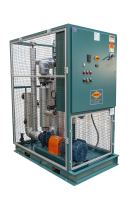
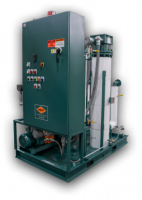
Additional Methods of Indirect Heating of Tanks


Contact Our Experts
Our expert sales engineers can help you find the right custom temperature control equipment for your application.
*denotes a required field.


