
Heat Tracing Systems
Line or Heat Tracing refers to a hollow jacket, or a tube on the outside of a pipe. It is used when the piping contains a material that needs to be warm or hot to flow easily, such as heavy oils, tars, or even sulfur. A hot liquid of vapor can be circulated through the jacket on the outside of this pipe in order to keep the material inside hot so it flows easily.

HEAT provides temperature control systems that Indirectly Heat using Pipe Tracing
Pipe tracing is a method of maintaining the temperature of pipes and pipelines, either to prevent the fluid inside a pipe from freezing or to keep a thick or heavy material hot enough to flow easily. These systems ensure the pipe contents stay at the desired temperature and help manage thermal expansion. Tracing can be made of electric heat tracing wire or can include fluid jackets that surround the pipe with a heat transfer medium and regulate the temperature by circulating fluid through the jacket. A thermostat or a centralized TCU controls the temperature and provides consistent heating along the length of traced pipe.
Pipe tracing systems are often installed with insulation to maximize energy efficiency and reduce heat loss to the environment. Whether you need to maintain the temperature of a fluid inside a pipe or ensure it stays above freezing, pipe tracing systems offer precise, reliable control.
For applications requiring uniform heating and precise temperature control, jacketed pipe tracing is a highly effective solution. In this method, a secondary "jacket" pipe surrounds the primary process pipe. Heat transfer fluid, such as steam, hot oil, or water/glycol, circulates through the jacket to evenly heat the process pipe and its contents.
This design eliminates direct contact with heating elements and provides more consistent heating across the pipe surface and process product damage. Jacketed pipe tracing is ideal for processes that demand high-temperature uniformity, such as:
- Viscous fluid transport: Ensures smooth flow of materials like heavy oils, resins, and syrups.
- Thermal-sensitive processes: Protects products or materials that may degrade under uneven heating.
- Cryogenic protection: Prevents freezing in cold environments.
Heat transfer systems work by circulating a heated fluid or steam through jackets, coils, or traced lines installed alongside the main pipe. These systems are ideal for applications requiring higher heat loads or longer pipe runs, offering superior energy efficiency and adaptability compared to traditional methods.
- Steam Tracing: Steam tracing circulates steam through small-diameter tubing or tracing lines attached to the pipeline. The steam transfers heat to the pipe, maintaining the desired temperature. Steam tracing is highly effective in industries where steam is readily available, such as chemical processing and power generation and fluid heat transfer is not required.
- Hot Oil Tracing: Hot oil tracing systems circulate thermal fluid through pipes or tubing attached to the pipeline. The oil transfers heat efficiently, maintaining precise temperature control. This method is ideal for applications requiring high temperatures, such as bitumen transport, asphalt heating, and chemical production.
Water/Glycol Tracing:
Water/glycol solutions can be used as a medium for heat transfer in pipe tracing systems, especially in low- to medium-temperature applications. These systems are commonly found in food and beverage processing, pharmaceutical manufacturing, and other industries requiring controlled heating or cooling.
Industrial pipe tracing systems are used in a wide range of industries to maintain optimal operational temperatures and ensure system safety. Some of the key industries that benefit from pipe tracing include:
- Oil and Gas: Pipe tracing is crucial for maintaining fluid flow and preventing freezing in pipelines that carry oil, gas, and other critical fluids, particularly in harsh environments.
- Chemical Processing: Precise temperature control is essential in chemical manufacturing to prevent the degradation of materials and ensure smooth operation of chemical reactions.
- Food and Beverage: In food production, pipe tracing helps maintain the correct temperature for liquids, oils, and sauces, ensuring food safety and quality.
- Pharmaceuticals: In pharmaceutical manufacturing, maintaining stable temperatures is vital to ensure the integrity of sensitive materials and compounds.
- Pulp and Paper: These industries use pipe tracing to ensure that fluids remain at the correct temperature during the production and treatment processes.
- Power Generation: In power plants, pipe tracing helps maintain temperatures in systems that transfer heat to and from turbines, reactors, and condensers.
Industrial pipe tracing is indispensable across numerous sectors where precise temperature control is essential. Key industries include:
- Oil and Gas: Preventing pipe blockages and maintaining flow in harsh environments.
- Chemical Processing: Ensuring the safe transport and handling of temperature-sensitive chemicals.
- Food and Beverage: Maintaining consistent temperatures for ingredients or process water.
- Pharmaceuticals: Supporting precise thermal conditions for production and storage.
- Water Treatment: Protecting pipes from freezing in municipal and industrial water systems.
- Power Generation: Enhancing efficiency in steam pipelines and other thermal systems.
- Construction: Ensuring reliable operation of water and heating systems in cold climates.
With its ability to safeguard operations and improve energy efficiency, industrial pipe tracing is a vital solution for maintaining process integrity and minimizing downtime in various industries.
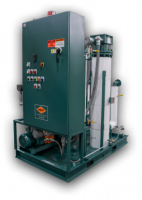
The heat systems below provide indirect temperature control of various types of line tracing.
CLICK ON A SYSTEM FOR MORE INFORMATION ON DESIGN TEMPERATURES AND PRODUCT FEATURES TO MEET YOUR PROCESS REQUIREMENTS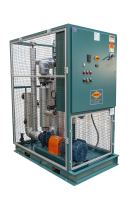
Contact Our Experts
Our expert sales engineers can help you find the right custom temperature control equipment for your application.
*denotes a required field.


