
Indirect Temperature Control of Molds
Molds are used to form material into a specific shape or design. In a typical molding process, a material like plastic or carbon is introduced into a cavity in the shape of the final piece. This cavity is heated via hot fluid flowing through paths in the mold. Keeping the mold hot allows the material to flow and form. Pressure is applied to squeeze out air and to push the material into any small, detailed areas of the mold. The shape is held for a period of time, sometimes cooled, then released, the part is ejected and it moves on to the next phase of the process.

HEAT Provides Temperature Control Systems for Indirect Temperature Control of Moulds
Industrial molds are essential tools used in manufacturing to shape raw materials into finished or semi-finished products. These molds provide a cavity or framework into which materials such as plastics, metals, or composites are injected, poured, or pressed. Once the material solidifies or cures, the mold is removed, leaving behind a precisely formed component.
Molds are engineered with high precision to ensure consistent product quality and dimensional accuracy. They are often designed for durability and heat resistance, accommodating elevated temperatures and pressures during manufacturing. Common applications of industrial molds include:
- Injection Molding: Melting plastic or other materials and injecting them into molds to produce complex, high-volume components like automotive/aerospace parts, packaging, and consumer goods.
- Blow Molding: Creating hollow objects such as bottles or containers by inflating heated material within a mold.
- Compression Molding: Pressing materials into a mold under high pressure and heat, used for items like rubber seals, gaskets, and composite components.
- Casting Molds: Pouring molten metals or resins into a mold to create detailed shapes for tools, machinery parts, and decorative objects.
- Thermoforming Molds: Heating plastic sheets until pliable and forming them over a mold to produce items like trays, panels, or packaging.
Industrial molds are diverse and specialized, designed to meet the unique demands of varied materials and manufacturing methods. Common types include:
- Injection Molds: Heat transfer systems are critical for maintaining uniform temperatures in injection molds, ensuring high-quality, intricate plastic parts with tight tolerances. Temperature control systems can regulate both the heating and cooling phases of the injection molding process, allowing for optimal cycle times, reduced defects, and improved consistency in industries such as automotive, electronics, and medical device manufacturing. Efficient cooling also helps to shorten cycle times, boosting production throughput.
- Blow Molds: Blow molding, used for producing hollow parts like bottles or containers, requires precise temperature control to ensure consistent wall thickness and prevent defects. Temperature control systems even provide cooling for blow molds, enhancing the quality and consistency of products in industries like packaging and beverage production. By controlling mold surface temperatures, the systems help minimize material stress and improve part strength.
- Compression Molds: Compression molding, which shapes thermosetting plastics and rubber, benefits from heat transfer systems that ensure even heating and cooling to maintain the desired properties of the manufactured materials. Precise temperature regulation ensures consistent curing times and prevents overheating or under-heating of the material. This is especially important in industries where durability and heat resistance are essential, such as automotive, aerospace, and electronics.
- Die Casting Molds: In die casting, controlling the temperature of the mold is essential for achieving precision in metal parts. Managing the temperature of die-casting molds can help prevent premature solidification of molten metal and ensure uniform cooling to avoid defects like warping or uneven thickness. These systems are especially crucial in industries like automotive manufacturing, aerospace, and industrial equipment, where high-quality, durable parts are required.
- Vacuum Forming Molds: Vacuum forming molds, which shape heated plastic sheets using vacuum suction, require temperature control to ensure uniformity and prevent material distortion. Controlled heating of the plastic sheets ensures even softening before molding, as well as effective cooling afterward to stabilize the parts. This is crucial for industries producing lightweight packaging, signage, and consumer products, where precision and material integrity are essential.
- Rotational Molds: Rotational molding involves heating and cooling the mold to create large, hollow parts. Temperature control systems are integrated to provide precise control throughout the mold’s rotation, ensuring uniform material distribution and reducing the risk of defects such as uneven thickness or weak spots. This is vital in the production of large parts like tanks, containers, and playground equipment, where structural integrity is critical.
- Multi-Cavity Molds: Multi-cavity molds, which produce several identical parts at once, need efficient temperature control to ensure consistency across all cavities. If each cavity receives the correct thermal treatment, cooling times and cycle efficiency are optimized. This is particularly beneficial in industries like consumer goods manufacturing, where high-volume, precise parts are produced for items such as medical devices, electronics, or automotive components.
Industrial molds are integral to a wide range of industries that demand precision and repeatability. Key sectors include:
- Automotive: Manufacturing components such as bumpers, dashboards, fuselage, and engine parts.
- Consumer Goods: Producing plastic products, toys, and electronic housings.
- Packaging: Shaping containers, lids, and protective packaging.
- Construction: Forming architectural elements, insulation panels, and concrete molds.
- Aerospace: Creating lightweight composite components and specialized parts.
- Medical Devices: Manufacturing equipment housings, prosthetics, and single-use items like syringes.
- Electronics: Producing enclosures, connectors, and precision components.
With their precision, versatility, and scalability, industrial molds are foundational to modern manufacturing, enabling the production of high-quality, uniform products across various industries.
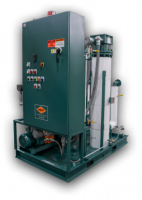
The heat systems below provide indirect temperature control of various types of molds.
CLICK ON A SYSTEM FOR MORE INFORMATION ON DESIGN TEMPERATURES AND PRODUCT FEATURES TO MEET YOUR PROCESS REQUIREMENTS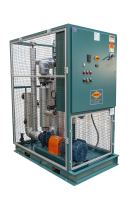
Contact Our Experts
Our expert sales engineers can help you find the right custom temperature control equipment for your application.
*denotes a required field.


