
Indirect Hot Pressing Systems
An industrial material press consists of multiple steel plates called platens. These platens are arranged in horizontal layers. Material is placed in between these layers and the layers are pressed together exerting high pressure on the materials between the plates. Often, the plates have holes in them through which a heat transfer fluid (hot oil, water, etc) can be circulated to provide indirect heating in addition to the pressure. This added heat helps the materials to bond to one another under pressure. A temperature control system working in conjunction with a press can heat up the plates, maintain a constant temperature for a set period of time, then cool the process once the materials have cured in their position.

HEAT provides Temperature Control Systems for Indirect Hot Pressing Systems
Industrial presses are powerful machines designed to apply force to materials, shaping, cutting, or assembling them into desired forms. These machines work by exerting mechanical, hydraulic, or pneumatic pressure to compress materials, enabling a wide range of manufacturing processes. Depending on the specific application, industrial presses may also involve heating, punching, or stamping to achieve precise results.
Presses are engineered for high precision, efficiency, and durability, often equipped with advanced controls for repeatable and reliable operation. Common applications of industrial presses include:
- Stamping Presses: Used to shape or cut materials by pressing them between dies, essential for automotive parts, appliances, and electronics.
- Hydraulic Presses: Employing hydraulic force, these presses handle tasks like metal forming, forging, and assembly of large components.
- Mechanical Presses: Using a motor-driven flywheel, these presses are ideal for high-speed, repetitive operations such as punching, blanking, and coining.
- Heat Presses: Combining heat and pressure to bond or transfer materials, widely used in textile printing, laminating, and composites.
- Forging Presses: Applying intense force to shape metals while they are hot, crucial for creating strong, durable components.
- Press Brakes: Specialized presses for bending and shaping sheet metal with high precision, commonly used in metal fabrication.
Industrial presses come in various forms, each tailored to specific manufacturing needs. Understanding these types is essential for selecting the right press for a given application:
- Hydraulic Presses: Hydraulic presses rely on consistent pressure and heat for various forming, molding, and punching tasks. Thermal fluid heaters or water/glycol solutions can regulate the temperature of press components, molds, or dies to ensure uniform heating. This is particularly critical in processes like composite molding or rubber vulcanization, where consistent heat distribution is essential for material integrity. Precise temperature control reduces cycle times and prevents defects like warping or uneven curing.
- Mechanical Presses: Mechanical presses often operate at high speeds for repetitive tasks like metal stamping and blanking. Heat transfer systems can be used to cool, or heat dies and components, maintaining optimal temperatures during continuous operation. Cooling systems prevent overheating of press components and extend tool life, while heating systems ensure consistent performance when processing temperature-sensitive materials, such as advanced alloys or coated metals.
- Pneumatic Presses: Pneumatic presses are often used in high-precision applications requiring lower force, such as electronics assembly. Temperature control systems integrated with pneumatic presses help manage temperatures during bonding, laminating, or encapsulation processes. For example, thermal management ensures adhesives cure properly or that delicate electronic components are not damaged by excessive heat.
- Servo Presses: Servo presses offer unparalleled accuracy and programmability, making them ideal for intricate manufacturing tasks. When paired with a heat transfer system to regulate the temperature of dies or molds, consistency and precision can be achieved by maintaining exact temperatures and optimizing material flow. Products can meet tight tolerances without defects.
- Toggle Presses: Toggle presses, designed for light-duty tasks like assembling small components, benefit from heat transfer systems when working with materials that require controlled thermal environments. Heating plates or dies can be integrated with toggle presses for applications like sealing, embossing, or assembling heat-sensitive materials.
- Forging Presses: Forging presses work with metals under extreme heat and pressure, making heat transfer systems essential for preheating dies and maintaining consistent metal temperatures. High-temperature thermal fluid systems ensure the uniform heating of forging tools, improving material flow and reducing defects. Heat transfer systems also provide cooling to prevent overheating, ensuring process stability and extending the lifespan of the press.
- Heat Presses: Heat presses combine temperature and pressure to bond or transfer materials, such as in textiles, laminates, and composites. Heat transfer systems are crucial in maintaining precise and uniform heat across the press surface. This ensures consistent quality in applications like fabric printing, thermal bonding, and composite curing. Advanced heat transfer systems allow rapid temperature adjustments for high-efficiency production cycles.
- Transfer Presses: Transfer presses perform multi-step operations, moving materials between stations for forming, cutting, or assembly. Heat transfer systems can provide consistent temperature control at each station, preheating molds and dies to the correct temperature. This helps to improve production efficiency and product quality. Cooling systems can also be employed to rapidly cool parts as they move between operations.
Industrial presses are indispensable across a wide range of industries that require precision and force-intensive operations. Key sectors include:
- Automotive: Manufacturing components such as body panels, engine parts, and brackets.
- Aerospace: Forging and shaping high-strength alloys for structural and engine components.
- Metal Fabrication: Bending, punching, and forming sheet metal for construction, appliances, and machinery.
- Electronics: Stamping and assembling precision parts like connectors and circuit components.
- Packaging: Forming materials for cans, containers, and protective packaging.
- Textiles: Using heat presses for transferring designs and bonding materials.
- Construction: Shaping structural components and producing hardware like hinges and brackets.
With their versatility, power, and precision, industrial presses are critical to modern manufacturing, enabling the efficient production of high-quality components across diverse industries.
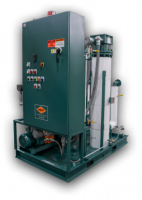
The heat systems below provide indirect temperature control of various types of presses.
CLICK ON A SYSTEM FOR MORE INFORMATION ON DESIGN TEMPERATURES AND PRODUCT FEATURES TO MEET YOUR PROCESS REQUIREMENTS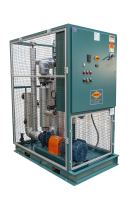
Contact Our Experts
Our expert sales engineers can help you find the right custom temperature control equipment for your application.
*denotes a required field.


