
Water-Glycol Heating Systems
HEAT designs and manufactures pre-engineered and custom engineered water/glycol heat transfer systems that deliver precise temperature control across demanding industrial processes. From plastics to food processing, our systems ensure dependable uptime and energy efficiency.
HEAT is an industry expert with more than 100-years combined experience designing process heating and cooling systems—our Sales Engineers will help you choose the industrial water-glycol system that is best for you. Custom designs can incorporate your available utilities (electric, natural gas, steam, central plant hot oil loops, etc.) and are offered at 4 different levels of our custom design process, all with a dedicated project manager.
HEAT is now one of only a few manufacturers in North America with the ability to self-label our flanged heaters as UL Recognized components. Our brand promise of delivering our customers Safe, Reliable Performance drove us to seek out this third party certification - we are dedicated to providing you with a heat transfer system that you can trust to run reliably for years to come.
Closed-Loop Water Heating Systems
At their core, Glycol Heating Systems work by circulating heated water or a water/glycol mixture through a closed-loop piping circuit. This circulating fluid allows for the transfer of energy from a source to a product or process (heating), and also sometimes for transferring that energy away (cooling).
Water & Glycol Heating systems give you precise control of temperatures in a batch or continuous process and can operate at temperatures higher than steam (up to 350°F in some designs) with lower pressures, meaning no boiler attendant is needed.
What is the best heat transfer media?
Based on its physical properties, water is the best heat transfer media. However, water has limitations as it nears freezing or boiling.
An ethylene glycol or propylene glycol mixture will lower the freezing point and raise the boiling point of fluid inside a heat transfer system, but this also influences the fluid’s heat transfer properties.
The choice of whether to use water or a water-glycol mixture as the heat transfer fluid depends on your process and industry needs. Contact our experts to learn more about what is best for you.
Are Water Glycol Heating Systems Safe?
Safety is HEAT's highest priority: all our designs are built to exacting codes and standards. Piping connections are all-welded, flanged, or threaded and insulated with fiberglass, rubber, or non-wicking cellular glass insulation. Every system is rigorously tested during our Factory Acceptance Test process, which you can witness in person or virtually. Our Service and Aftermarket teams are dedicated to providing you with on-site equipment start-up assistance, training, troubleshooting, and spare parts support. We also offer preventative maintenance and fluid care help to keep your system running safely and at peak performance.
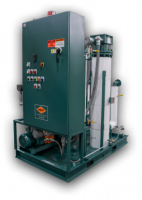
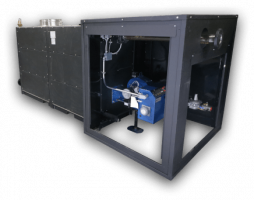
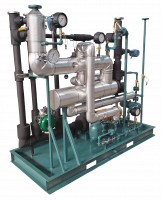
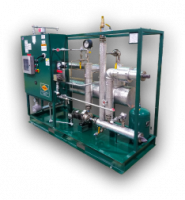
We divide our water & glycol heating system designs into categories based on the heat source. Learn more below!
- Tanks
- Jacketed Tank / Vessel
- Reactor Vessel
- Platens / Presses
- Ovens
- Jacketed Piping
- Rolls (Calendar, Nip, etc.)
- Autoclaves
- Conveyors / Screw Conveyors
- Molds / Dies

Contact Our Experts
Our expert sales engineers can help you find the right custom temperature control equipment for your application.
*denotes a required field.


